The First Five Days: What to Expect When You're Breastfeeding

breastfeeding
Those first few days with your newborn are raw, beautiful, and overwhelming — often all at once. If you've chosen to breastfeed, you might feel like you should instinctively know what to do. But here's the truth: breastfeeding is a learned skill for both you and your baby.
At Bubba & Me, we believe that knowledge is empowerment. Understanding what's happening in your body — and your baby's — during those critical first five days can transform your experience from anxious to confident. Let's walk through it together.
Day One — The Golden Hour & Colostrum
In the first hour after birth, your baby is in a uniquely alert state. This is the golden hour — the optimal window for skin-to-skin contact and that very first feed. Research published in Acta Paediatrica shows that uninterrupted skin-to-skin within the first hour significantly increases breastfeeding success rates at six months.
What your body is doing
You're producing colostrum — a thick, golden liquid sometimes called "liquid gold." It's incredibly nutrient-dense: just 1–5ml per feed is all your baby needs. Colostrum is packed with immunoglobulins (particularly IgA), white blood cells, and growth factors that coat your baby's gut lining, providing their first line of immune defence.
💛 Bubba & Me tip: Don't worry about volume. Your baby's stomach on day one is the size of a cherry (5–7ml). Colostrum is exactly what they need.
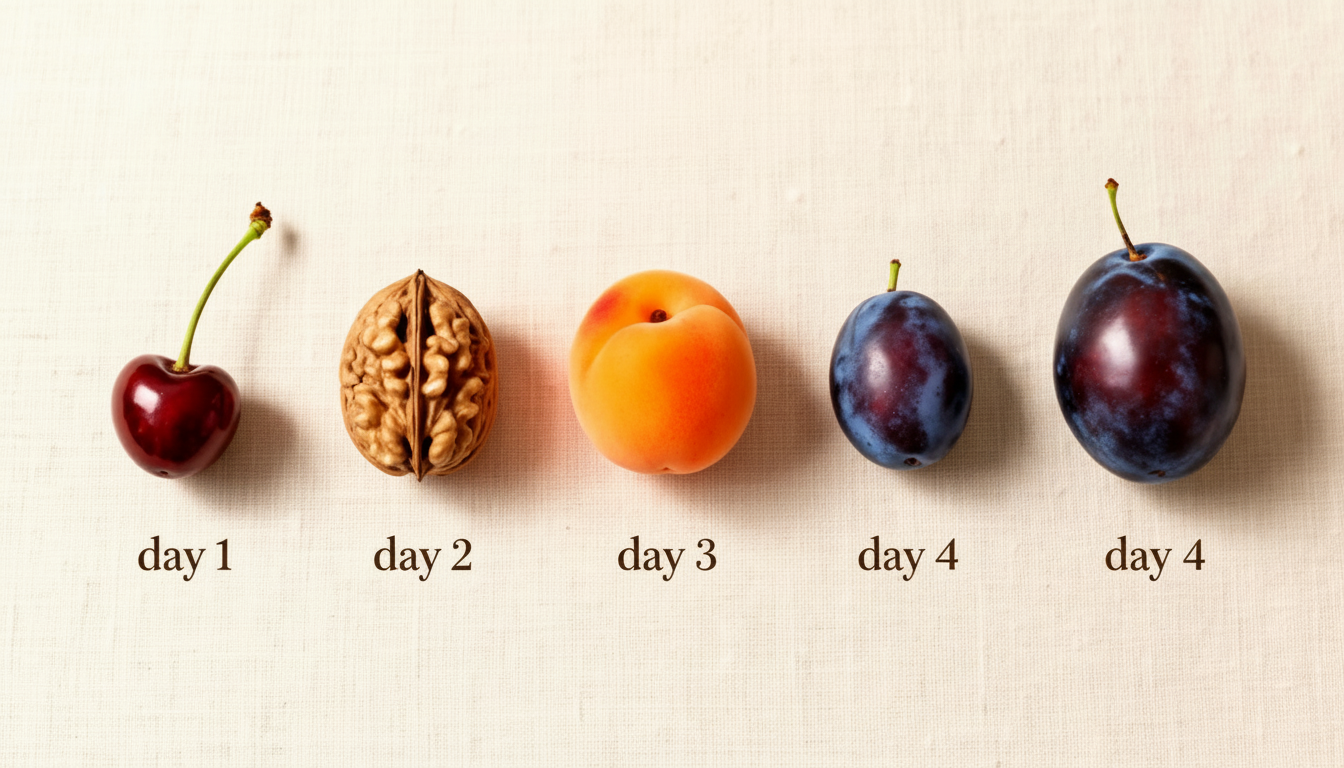
Your baby's stomach grows from the size of a cherry to a plum in just five days
Day Two — Cluster Feeding Begins
Day two often catches parents off guard. Your baby may want to feed constantly — sometimes every 30–60 minutes. This is called cluster feeding, and it's completely normal. It's not a sign that you don't have enough milk.
Cluster feeding serves a dual purpose: it stimulates your prolactin receptors (the hormone responsible for milk production), and it helps your baby practise their latch and sucking coordination. The more they feed, the stronger the signal your body receives to produce milk.
Signs feeding is going well
Your baby has at least 1–2 wet nappies
Stools are dark and tarry (meconium)
You can hear swallowing during feeds
Your baby comes off the breast looking relaxed

Keep your essentials within arm's reach — hydration is key
Day Three — Your Milk "Comes In"
Around day 2–4 (commonly day 3), you'll experience secretory activation — what's often called your milk "coming in." Your breasts may feel noticeably fuller, heavier, and warmer. This transition from colostrum to transitional milk is driven by the drop in progesterone after delivery of the placenta.
This is also the day many mothers experience the day-three blues — a hormonal dip that can bring unexpected tears and overwhelm. This is not postnatal depression; it's your hormones recalibrating. Be gentle with yourself.
Managing engorgement
Feed frequently — at least 8–12 times in 24 hours
Gently hand express before latching to soften the areola
Use cool compresses between feeds to reduce swelling
Avoid skipping feeds or introducing bottles at this stage

What to expect: your baby's nappies will change colour from dark meconium to mustard yellow by day 5
Day Four — Finding Your Rhythm
By day four, you and your baby are beginning to calibrate. Your milk is transitioning — becoming higher in lactose and fat — and your baby's stomach has grown to the size of a walnut (around 25–35ml per feed).
You should start to see 3–4 wet nappies per day and stools that are changing from dark meconium to a greenish-brown "transitional" colour. This is a reassuring sign that your baby is getting enough.
💛 Bubba & Me tip: Now is a great time to experiment with different feeding positions. Side-lying can be a lifesaver for night feeds and gives your body much-needed rest.
Day Five — Confidence is Building
By day five, your mature milk supply is establishing. Feeds may become slightly more predictable — though "predictable" with a newborn is always relative. Your baby should be producing 5–6 heavy wet nappies and at least 2 yellow, seedy stools per day.
This is also when your baby's midwife weigh-in typically happens. A weight loss of up to 7% from birth weight is considered normal. Most babies begin regaining weight from day 5 and are back to birth weight by days 10–14.
"You are not failing. You are learning. And so is your baby. Every single feed — even the hard ones — is building your supply and your bond."
— The Bubba & Me Team
When to Reach Out for Support
Breastfeeding challenges are common and not a reflection of your ability as a parent. Please reach out to your midwife, health visitor, or a certified lactation consultant (IBCLC) if you experience:
Persistent pain during or after feeds that doesn't improve with positioning
Cracked, bleeding, or blistered nipples
Your baby seeming unsettled after every feed with fewer than expected wet/dirty nappies
Signs of mastitis: a red, hot, painful area on the breast, or flu-like symptoms
Your baby losing more than 10% of their birth weight
Early intervention makes a significant difference.