


Breastfeeding and Nutrition: What Your Body Needs More Of — and Why
Breastfeeding is one of the most nutritionally demanding things a human body can do. You are producing a complete food — one that changes composition feed by feed, day by day — while also recovering from pregnancy and birth. And yet the nutritional guidance most new mothers receive is vague, outdated, or focused on what to avoid rather than what to actively nourish.
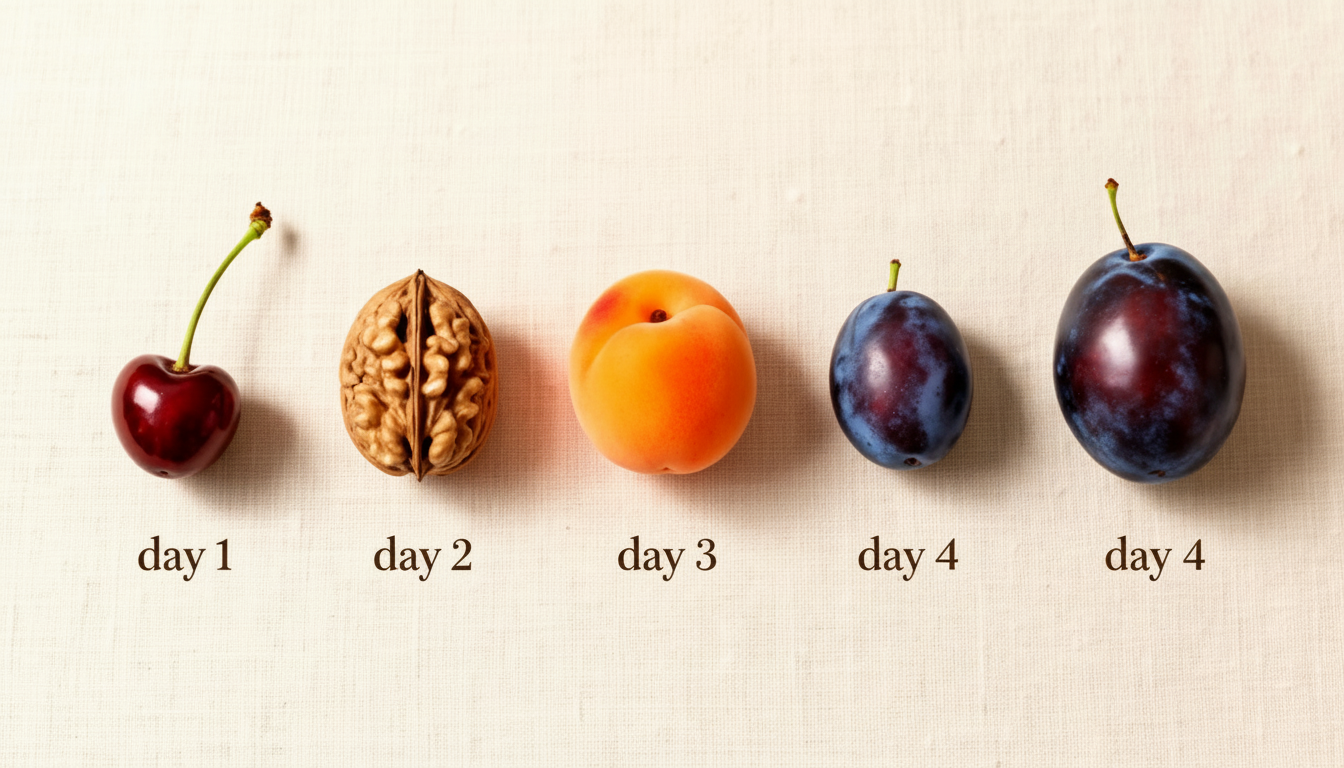
The First Five Days: What to Expect When You're Breastfeeding
Those first few days with your newborn are raw, beautiful, and overwhelming — often all at once. If you've chosen to breastfeed, you might feel like you should instinctively know what to do. But here's the truth: breastfeeding is a learned skill for both you and your baby.

From Chocolate Cravings to Cramping: What Pregnancy Symptoms Really Mean Biologically
Pregnancy comes with a spectrum of sensations that can feel unfamiliar, unpredictable or even worrying. At Bubba & Me, our antenatal clinics in Sevenoaks and Tunbridge Wells help parents understand the real biology behind these symptoms — from cravings and fatigue to cramping and breathlessness. With science-led education and holistic support, you can feel informed, reassured and connected to your body as it prepares for birth.

Postpartum Hair Loss in Tunbridge Wells and Sevenoaks: Causes, Nutrition and Natural Support
Milk supply isn’t just “supply and demand.” Discover how prolactin, oxytocin and the breast’s own feedback system work together — plus how personalised breastfeeding support in Tunbridge Wells and Sevenoaks can help you feel confident and informed.

The Biology of Milk Supply: Hormones, Feedback & Autocrine Control
Milk supply isn’t just “supply and demand.” Discover how prolactin, oxytocin and the breast’s own feedback system work together — plus how personalised breastfeeding support in Tunbridge Wells and Sevenoaks can help you feel confident and informed.
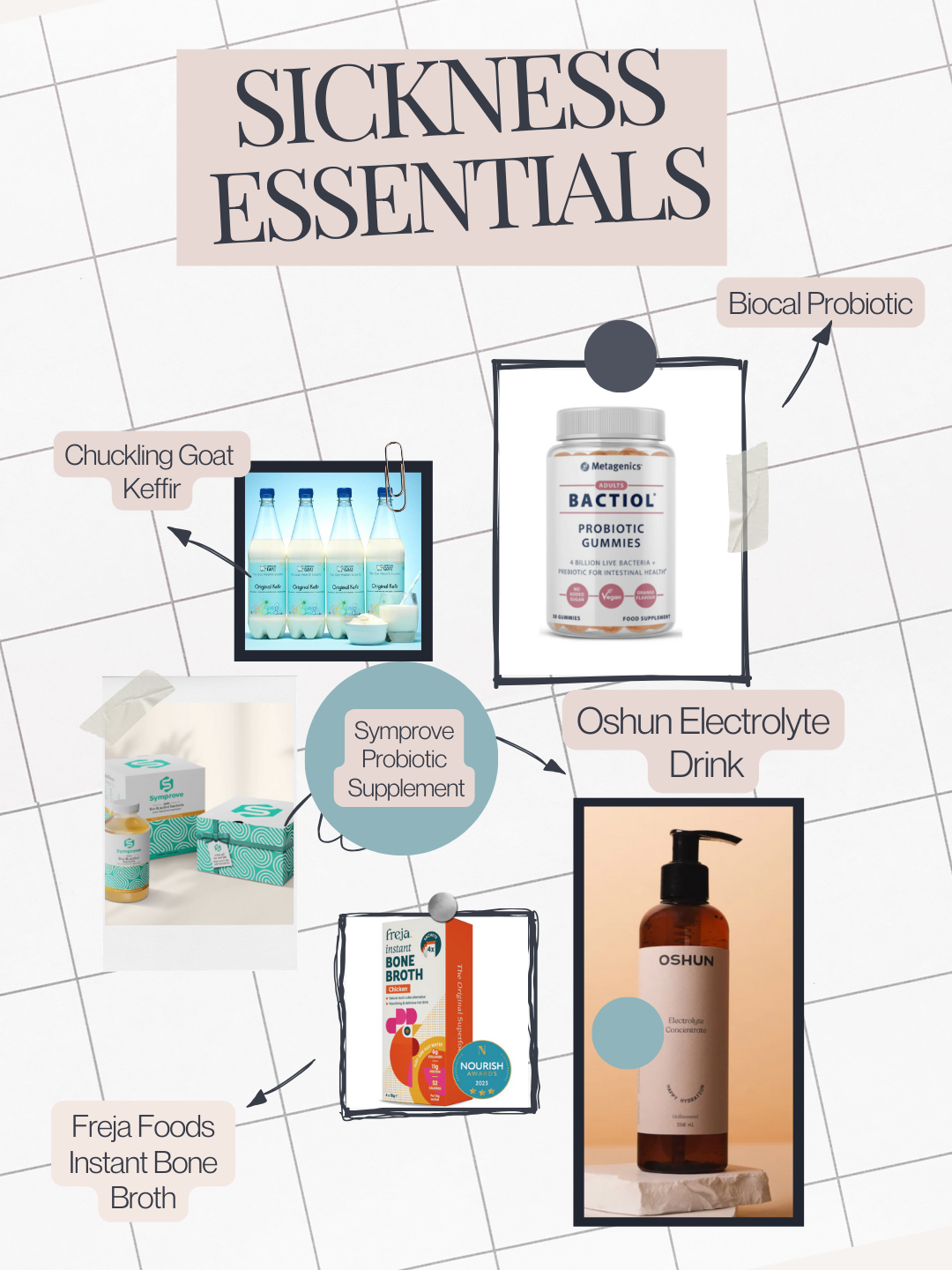
Family Sickness Essentials: What We Reach for When Germs Hit
At Bubba & Me, we speak with parents every day who are navigating coughs, colds, tummy bugs and those week-long viruses that move from one family member to another. As parents ourselves, we understand how draining it can feel — the long nights, the reduced appetites, the endless need for comfort and reassurance. Over time, we’ve each built up a set of products and practices that consistently help us support our families through sickness. They aren’t cures, and they don’t replace medical guidance, but they do bring comfort, nourishment, hydration and a gentle nudge toward recovery.

Prepping Your Gut for Pregnancy: The Microbiome-Fertility Connection
Your gut microbiome — the ecosystem of trillions of bacteria in your digestive tract — affects nutrient absorption, hormone regulation, inflammation, and immune function. Each of these processes contributes to your fertility and your body’s ability to support a healthy pregnancy.

Vitamins & Supplements in Pregnancy: What’s Really Necessary?
Pregnancy comes with a whirlwind of advice – and it’s easy to feel unsure about what’s really essential. When it comes to vitamins and supplements, some are strongly recommended because they directly support your baby’s healthy development and your own wellbeing.

The Benefits of Omega-3 Fatty Acids During Pregnancy, Breastfeeding, and Postpartum: Why Nutrition Matters
Omega-3 fatty acids, particularly DHA (docosahexaenoic acid) and EPA (eicosapentaenoic acid), play a crucial role in the health of mothers and babies during pregnancy, breastfeeding, and postpartum recovery. These essential fats are vital for brain and eye development in babies and offer numerous health benefits for mothers.

The First Room of Labour : What to Expect and How to Prepare for the Latent Stage
The first room of labour, also commonly referred to as the latent phase, marks the beginning of an incredible journey to meeting your baby. It is the longest and most varied phase, involving the gradual opening (dilation) of the cervix to allow your baby to move into the birth canal. Understanding this stage, knowing what to expect, and preparing mentally and physically can help you feel more confident during labour.

Postpartum Cultures Around the World and the Importance of Embracing the Postpartum Period in the UK
The postpartum period, often referred to as the "fourth trimester," is a crucial time for new mothers to recover, bond with their baby, and adjust to the demands of parenthood. While the UK and other Western countries often overlook the importance of postpartum care, many cultures around the world have long-standing traditions to support new mothers during this transformative phase. Embracing and nourishing the postpartum period is not only a cultural practice in many parts of the world but also a necessity for long-term physical and emotional well-being.

Pain Relief Options During Labour: What Are Your Choices?
Labour and childbirth are deeply personal experiences, and every parent-to-be deserves the knowledge and support to choose pain relief methods that align with their preferences and circumstances. From natural techniques to medical interventions, there are a variety of options to manage pain during labour. This article explores your choices, detailing how each method works, its benefits, and potential drawbacks, so you can make informed decisions for your birth plan.

The Role of the Placenta in Pregnancy: Its Importance and How to Nourish It
The placenta begins to form shortly after fertilisation and attaches to the uterine wall, connecting to the baby via the umbilical cord. It acts as a critical interface between mother and baby, supporting the pregnancy in several ways: