The Cervical Symphony: What’s Really Happening to the Cervix in the Weeks, Days and Hours Before Labour Starts
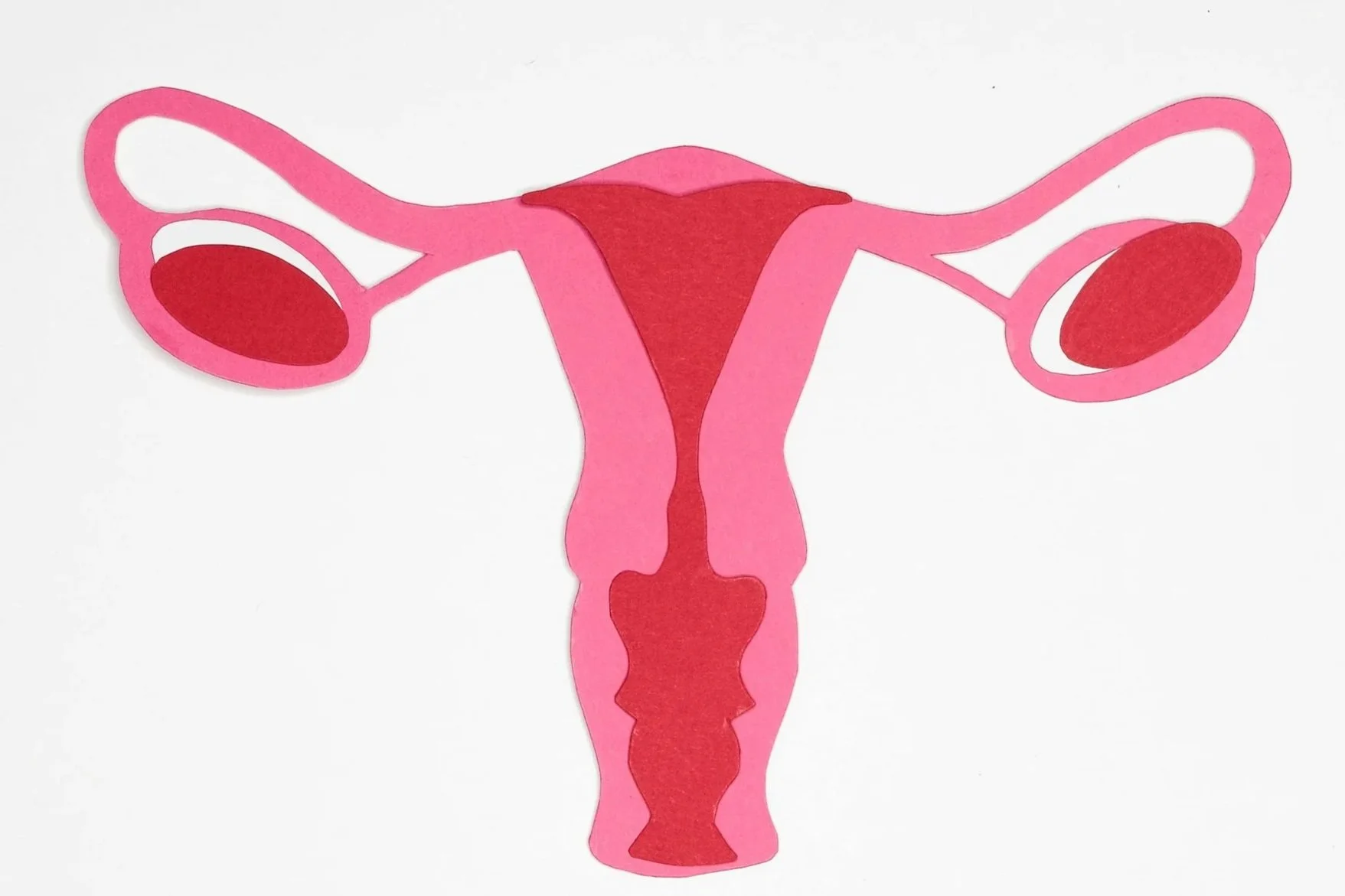
Cervix
Most parents are taught to measure labour by numbers: two centimetres, four, eight… as if the cervix works to a predictable schedule. But the cervix isn’t a clock. It’s a living, responsive, beautifully intelligent structure that begins preparing for birth long before contractions start. Understanding these changes can remove so much fear from the final weeks of pregnancy and replace it with trust.
The Quiet Work of Collagen and Softening
Through most of pregnancy, the cervix is firm and tightly woven, held together by dense collagen fibres that keep baby safe inside the uterus. In the final weeks, the body gently shifts gear. Hormonal changes encourage these fibres to loosen, almost like a rope beginning to unbraid. This softening is subtle but crucial—it’s the earliest sign that your body is getting ready.
As collagen relaxes, the cervix begins to draw in more water. Midwives often describe the feel of a “ripe” cervix as soft, hydrated, almost marshmallow-like. This increase in water content allows the cervix to stretch more easily later on, responding to uterine waves with fluidity rather than resistance.
Effacement: The Cervix Becomes Part of the Journey
Effacement is one of the most misunderstood aspects of cervical preparation. It isn’t about opening yet; it’s about thinning and blending into the lower uterus. Instead of a closed, firm cylinder, the cervix gradually becomes shorter, softer and more integrated with the birth pathway. This can happen over a few weeks for some or in the 24 hours before labour for others.
Receptors, Hormones and the Cervical ‘Conversation’
In late pregnancy, the cervix becomes dramatically more responsive to hormones. Oxytocin and prostaglandin receptors multiply so the cervix can react swiftly once labour begins. At the same time, the uterus develops more gap junctions—tiny communication channels that help contractions become coordinated and effective. The uterus and cervix start “speaking” to one another. This is the real beginning of labour’s symphony, even if nothing looks different on the outside.
Why the Cervix Can’t Be Timed
Every cervix has its own rhythm. For some, softening and effacing happen steadily and gradually. For others, changes arrive all at once. Emotional state, environment, baby’s position, medical issues, circadian rhythms, nutrition and movement all influence the timeline. This is why comparing dilation between people—or even between pregnancies—never tells the full story. Your cervix is responding to a remarkable interplay of hormonal signals and physical cues.
Supporting Cervical Health and Readiness
Supporting your cervix isn’t about “inducing” anything; it’s about creating conditions where the body feels in a position to do what it needs to do. Oxytocin rises when you feel safe and supported—warm baths, loving touch, intimacy, quiet evenings, deep laughter. These small, daily anchors help soften physical tension and lower adrenaline, a hormone that can slow cervical changes if it remains high.
Nourishing foods rich in vitamin C, omega-3 fats, natural prebiotics, and good hydration can support cervical tissue health in a gentle, physiological way. Movement also plays a role: walking, leaning forward, gentle swaying, using a birth ball, or simply changing positions often can help baby find the most optimal angle for applying pressure to the cervix.
Creating a calm emotional environment is just as important. Setting boundaries, reducing external stress, and preparing your birth space—whether that’s at in hospital on the labour ward or a birth centre—can make a profound difference to how the cervix responds in the final weeks. When the nervous system feels safe, the body often follows.
Checking Cervical Length in Pregnancy
For some parents, understanding cervical health in pregnancy includes looking at cervical length—particularly when there are clinical reasons to monitor preterm labour risk or simply for peace of mind. If you’re curious about exploring this, cervical length scanning with Professor Ranjit Akoelekar offers clear, compassionate insight into how your cervix is functioning and what that means for your pregnancy. Scanning is available at The Pregnancy Clinic in Sevenoaks.
If you’re based in Tunbridge Wells or Sevenoaks and want to dive deeper into birth physiology, my antenatal education and postpartum support programmes are designed to help you feel informed, grounded and confident at every stage.