


The Cervical Symphony: What’s Really Happening to the Cervix in the Weeks, Days and Hours Before Labour Starts
Most parents are taught to measure labour by numbers: two centimetres, four, eight… as if the cervix works to a predictable schedule. But the cervix isn’t a clock. It’s a living, responsive, beautifully intelligent structure that begins preparing for birth long before contractions start. Understanding these changes can remove so much fear from the final weeks of pregnancy and replace it with trust.

Why the Vagus Nerve Matters in Pregnancy — and How to Support It
Most of us think of pregnancy in terms of hormones, scans and growing bellies — but there’s another biological system quietly shaping how your body adapts, responds to stress, and even how you feel emotionally: the vagus nerve.
The vagus nerve — also called cranial nerve X — is the longest and one of the most important parts of the parasympathetic nervous system. It acts as a major communication highway between your brain and your organs, including the heart, lungs, and digestive system. It helps regulate involuntary functions such as heart rate, breathing, digestion, inflammation, and immune responses.

Birthing the Placenta: What to Expect and What You Need to Know
When we talk about labour and birth, most people’s minds jump to the moment the baby arrives. But labour isn’t truly complete until the placenta has been birthed. This third stage of labour is just as important as the first two—and understanding your choices, what might happen, and how it’s managed can help you feel calmer and more prepared.
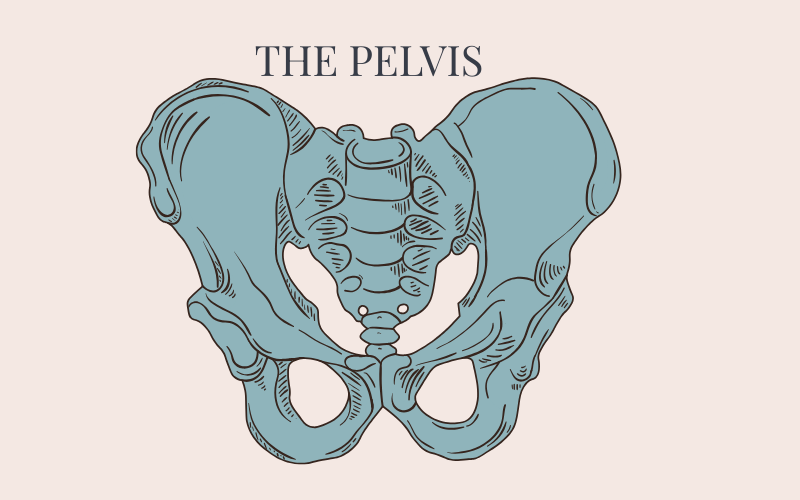
The Pelvis in Pregnancy and Labour: Structure, Function and Adaptation
The human pelvis plays a central role in pregnancy and labour. It forms the bony passage through which a baby is born, while also adapting throughout pregnancy to support the growing uterus. Understanding the anatomy and function of the pelvis can empower women and birthing people to approach labour with greater knowledge, confidence and trust in their bodies.